Masonic Symbols and Their Meanings: The Modern Guide

Masonic symbols make familiar tools, objects, and images speak to values that reach beyond the lodge. A square can prompt a Mason to consider his conduct. A hive can remind a community of the value of shared work. A five-pointed star can call an Eastern Star sister to reflect on service and commitment.
This guide to masonic symbols meaning focuses on public symbolism and personal values. Interpretations can vary by jurisdiction and tradition, so think of these as widely recognized explanations, not one universal dictionary.
Square and compasses: conduct and self-discipline
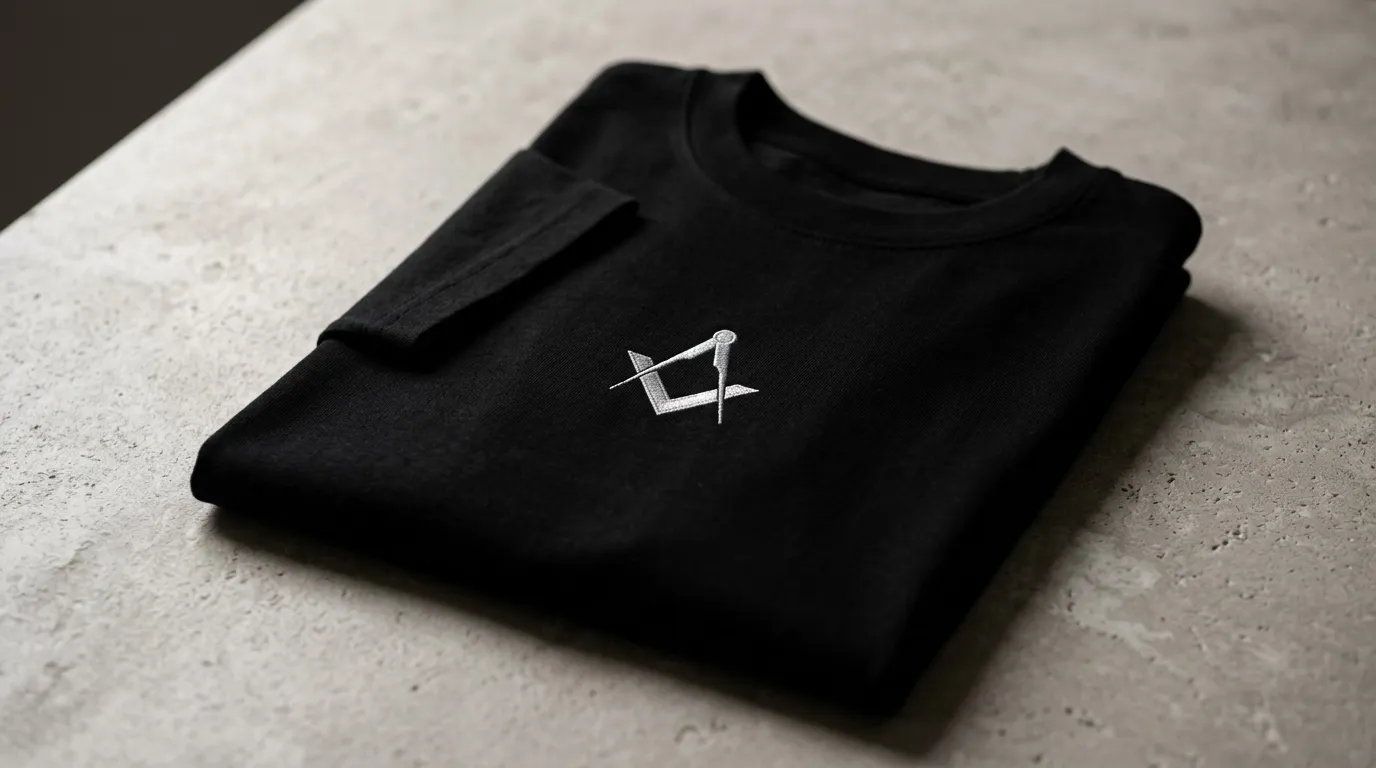
The square and compasses are the best-known freemason symbols. They began as practical tools of the stonemason. In speculative Freemasonry, they became emblems of moral instruction.
The square is commonly associated with upright conduct: acting honestly and treating others fairly. The compasses suggest self-restraint and balance, considering how our choices affect ourselves and the people around us.
Together, they offer a lasting lesson: character is built through repeated choices. That is the heart of the square and compass meaning for many Masons. The tools are not simply marks of membership; they are reminders of the work a person continues to do.

The letter G: geometry, and sometimes God
In many English-language Masonic settings, a letter G appears within the square and compasses. A widely shared interpretation is Geometry, the mathematical foundation of building and a discipline that points toward order and proportion.
Some Masons also associate the G with God or the Supreme Being. Because this explanation depends on language and jurisdiction, it is best understood as a common interpretation rather than a meaning shared identically everywhere.
As a personal reminder, the letter can invite study, humility, and reflection on the principles that give life structure.
The all-seeing eye: awareness and accountability
The all-seeing eye, also called the Eye of Providence, is often understood as a reminder of divine awareness and moral accountability. It can encourage a person to act with care, even when no one else is watching.
The eye is not exclusively Masonic. It appears in other religious and historical contexts, too. And although popular stories sometimes connect it to the pyramid on the U.S. Great Seal, the Masons of California’s symbol guide explains that the pyramid is not regular Masonic symbolism and the eye was used beyond Freemasonry.
The symbol’s personal lesson is straightforward: live with awareness of your choices and their effects.
The apron: honorable labor and character
The apron recalls the practical clothing worn by operative stonemasons to protect themselves during their work. Over time, it became an important piece of Masonic regalia and a public emblem of the Craft.
Today, the apron is often understood as a reminder of honorable labor and the lifelong work of building moral character. Its meaning rests not only in its history, but in what it asks of the wearer: to keep working toward a life shaped by integrity.
For more historical context, see the United Grand Lodge of England’s article on why Freemasons wear aprons.
The beehive: industry and cooperation
The beehive is a familiar emblem of industry, diligence, and cooperation. A hive depends on many contributions. Its lesson is that a strong community is built when people take responsibility for their part and work toward a shared good.
That message can apply far beyond lodge life: at home, at work, and in service to the wider community. Allegory Clothing’s “It’s a Strict Bee Hive” tee brings this recognizable emblem into a contemporary design.

The pillars: strength and stability
Masonic pillars commonly refer to the two columns associated with the entrance to Solomon’s Temple, traditionally known as Boaz and Jachin. Public explanations often connect them with strength and establishment.
As symbols, pillars suggest the foundations that help a person or community stand firm: sound judgment, steady effort, and values that hold under pressure. Like the supports of a building, those foundations may not always draw attention, but they matter.
Five points of the Eastern Star: lessons in service
The five-pointed star is the central emblem of the Order of the Eastern Star (OES), a distinct organization connected with the wider Masonic family. Its five points represent Adah, Ruth, Esther, Martha, and Electa, and their stories are associated with lessons such as commitment, devotion, responsibility, faith, hope, charity, and hospitality.
The Order of the Eastern Star in Australia’s public overview describes the five points through their stories, colors, and emblems. Wording and details can differ by jurisdiction, but the broader themes offer a clear reflection on care for family, friends, and community.
For an OES member, the star can express sisterhood as a practice: showing up, offering support, and serving others. Allegory Clothing’s “Five Points of Light” shirt gives that emblem a modern everyday form.

Other Masonic symbols: tools for reflection
Some other widely recognized emblems turn familiar tools and materials into lessons:
- Plumb: A reminder of uprightness and justice.
- Level: A reminder of equality and mutual respect.
- Trowel: A symbol of spreading brotherly love and strengthening bonds.
- Rough and perfect ashlars: Stones often used to represent the work of self-improvement, from an unshaped beginning toward a more considered character.
These meanings are public explanations. They do not require secret knowledge to be understood. Their value lies in the reflection they invite and the conduct they encourage.
What is a Master Mason?
A Master Mason is a member who has received the third degree in Craft Freemasonry. It is the final of the three Craft degrees; it is not, by itself, a lodge office or a claim that a person has finished learning. Freemasonry’s public overview of its degrees offers further context.
For a brother, the title can carry deep personal meaning. For a family member or friend choosing a gift, it identifies someone who has reached this degree and may take pride in the relationships and values of his Masonic life.
Carry the meaning into everyday life
The most useful way to read Masonic symbolism is to connect each image to a value and then to a choice. The square points toward upright conduct. The compasses suggest balance and self-discipline. The eye invites awareness. The hive speaks to useful work. The five points of the Eastern Star call members toward service and sisterhood.
That is also why symbols can feel at home beyond the lodge. A thoughtfully designed shirt can make a familiar emblem part of everyday style and open a conversation about what it means to the person wearing it. Allegory Clothing brings Masonic and Eastern Star references into contemporary masonic apparel for members, families, and friends.
The takeaway is simple: symbols matter most when their values show up in how we live. Wear the Meaning. Carry the Tradition. Browse the Allegory Clothing collection; shirts are $29.99, with shipping across the USA.